

Seeking Integrated ADHD Support
If you are an adult struggling with ADHD, you know that the challenge goes beyond simple focus. It’s about the chaos of executive function, the impact on relationships, and the pervasive shame that comes with feeling like you’re “not doing enough.”
When seeking help, you encounter two main options: ADHD Coaching and ADHD Therapy.
Many people assume these terms are interchangeable, but they serve fundamentally different needs. Relying solely on one can leave a massive gap in your support.
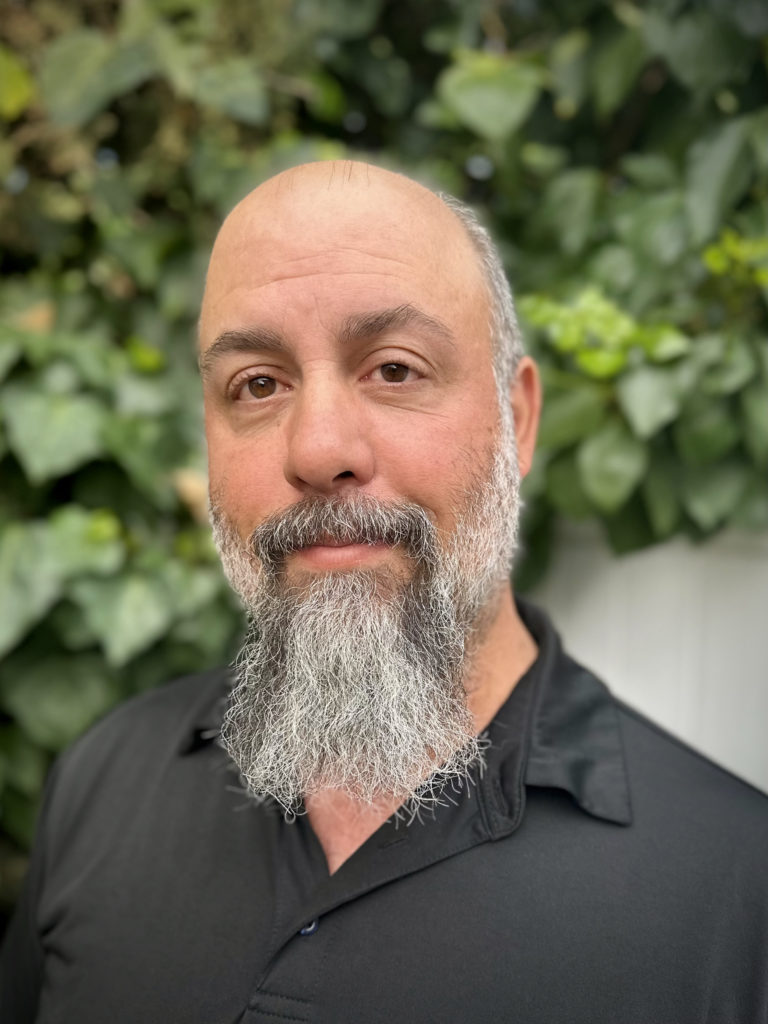
At Andrew Robertson Therapy, I provide integrated ADHD support as an Associate Marriage and Family Therapist (AMFT #158068) under the supervision of Melissa Volchock, LMFT #120203, and ADHD-Certified Clinical Service Provider (ADHD-CCSP). I aim to bridge the gap between understanding your past and planning your future.
Here is a clear breakdown of the difference between ADHD Coaching and Therapy, and why an integrated approach is often the most effective path to stability and confidence.
ADHD Coaching: The “How” (Focus on the Future)
ADHD Coaching is a practical, goal-oriented modality focused on action, systems, and accountability.
Key Characteristics of Coaching:
- Time Frame: Focuses almost entirely on the present and the immediate future (next week, next quarter).
- The “How”: It helps you answer the question, “How do I get this thing done?”
- Goals: Building external tools and systems to manage executive function deficits. This includes creating planners, developing routines, managing time, and organizing physical/digital space.
- The Coach’s Role: Acts as an accountability partner and a strategic systems expert.
When Coaching is Ideal:
- You are fully aware of the emotional impact of your ADHD but need practical tools.
- You have a specific goal (e.g., launching a project, organizing a workspace, or sticking to a budget).
- You need someone to hold you accountable to your own solutions.
ADHD Therapy: The “Why” (Focus on the Past and Present)
ADHD Therapy, particularly when integrated with a relational or trauma-informed lens, focuses on emotional regulation, shame, trauma, and identity.
Key Characteristics of Therapy:
- Time Frame: Explores the past (childhood shame, past relational trauma) and the emotional impact in the present.
- The “Why”: It helps you answer the question, “Why can’t I seem to follow through, even when I know how?”
- Goals: Processing internalized shame, managing rejection-sensitive dysphoria (RSD), treating co-occurring anxiety and depression, and healing relational wounds caused by miscommunication.
- The Therapist’s Role: Acts as a relational guide, creating a safe space to process and regulate emotions.
When Therapy is Essential:
- You struggle with Rejection Sensitive Dysphoria (RSD) or frequent emotional volatility.
- You feel immobilized by shame over past failures.
- Your ADHD is heavily impacting your marriage or primary relationship (e.g., you are experiencing chronic resentment or conflict).
The Integrated Approach: Bridging the Gap
Clients often start with coaching, learn all the systems, but then fail to implement them because of the underlying emotional block (shame, anxiety, or trauma). Conversely, therapy can help you process your past, but you still need the practical strategies to function day-to-day.
Integrated ADHD Support combines the two modalities. As a therapist and certified ADHD clinician, I transition between:
| Therapeutic Need (The “Why”) | Coaching Application (The “How”) |
| Processing relational shame after a major screw-up. | Creating a defined “Repair Protocol” for the couple to use after conflict. |
| Healing childhood trauma related to academic failure. | Building a practical new study or work system that rewards novelty. |
| Managing co-occurring anxiety and depression. | Implementing a daily, low-barrier morning routine to improve stability. |
The key benefit of integrated support is that you don’t have to hire two different professionals or waste time explaining your history twice. We address the root causes of avoidance and then immediately build functional tools tailored to your unique needs.
Conclusion: Stop Searching, Start Doing
If you have ADHD, you deserve support that addresses both the psychological weight and the practical daily chaos. Your potential to achieve clarity, connection, and confidence is real, but it requires a strategic approach.
Stop trying to force yourself into a system that doesn’t fit your brain. Integrated ADHD Support helps you stop focusing on trying and start focusing on doing.
Andrew Robertson, AMFT# 158068 (under the supervision of Melissa Volchok, LMFT #120203), is an ADHD-Certified Clinical Service Provider who offers Integrated ADHD Support (combined therapy and coaching) for adults and couples in Woodland Hills and via telehealth throughout California.