

The Tension Between Depth and Anchor
In modern life, we often swing between two extremes:
- Existential Overwhelm: Getting stuck in huge, philosophical questions about meaning, freedom, and death, leading to existential anxiety or paralysis.
- Surface Distraction: Drowning out these big questions with constant business, scrolling, or consumption, leading to emotional numbness or shallow living.
Neither extreme brings lasting peace. True mental well-being requires a therapeutic approach that honors both the vastness of your life’s meaning and the stability of the present moment. This is the dual power of integrating Existential Therapy with Mindfulness Therapy.
At Andrew Robertson Therapy, my work is built on helping individuals, particularly men facing identity or “crises of purpose,” by leveraging these two powerful philosophies to build a robust sense of self and purpose.
Here is a breakdown of how these two modalities work together to create profound, lasting change.
Existential Therapy: Providing Depth and Meaning (The “Why”)
Existential Therapy is the engine for confronting the “big four” inescapable concerns of human existence: Death, Freedom, Isolation, and Meaninglessness.
What Existential Therapy Offers:
- Confronts Anxiety and Fear: Instead of suppressing your existential anxiety, we acknowledge it as a natural signal that you are ready for a deeper life. This is where you address issues such as the” crisis of success” or the fear of getting older.
- Empowers Freedom and Responsibility: It helps you reclaim your personal agency. You realize you are not merely a product of your past; you are the sole author of your future choices. This is crucial for men navigating life transitions or identity shifts.
- Unmasks Meaning: It helps you stop searching for the ultimate meaning of life and start creating your own meaning through purposeful action, core values, and chosen commitments.
The Existential Danger: Floating Away
The risk of pursuing depth without grounding is that you can get lost in the abstract, becoming paralyzed by the philosophical questions. If all you do is reflect on death and meaninglessness, you can easily disconnect from the immediate reality of your life. You need an anchor.
Mindfulness Therapy: Providing Grounding and Anchor (The “How”)
Mindfulness is the anchor that brings the sometimes-overwhelming insights of existential work back down to earth. Mindfulness Therapy focuses on developing present-moment awareness without judgment.
What Mindfulness Therapy Offers:
- Manages Existential Overwhelm: It teaches you how to observe intense thoughts and feelings (like anxiety or the fear of death) without immediately reacting to them. This provides emotional regulation.
- Grounding in the Present: It uses somatic and sensory awareness to connect you to your body and environment. This counters the mental “checking out” or emotional numbness that comes from chronic stress.
- Increases Self-Awareness: It clarifies the distinction between your thoughts (which can be abstract and confusing) and your actual experience (your body’s sensations).
The Mindfulness Danger: Loss of Context
The risk of pure mindfulness is that it can become too focused on the “now” and ignore context. You may feel calm in the moment, but fail to address the core patterns, trauma, or lack of meaning that led you to the cushion of mindfulness in the first place. You need direction.
The Integrated Approach: The Dual Power in Action
The synergy between these two approaches provides a complete therapeutic environment.
- Existential Question (Depth): “Am I living authentically?”
- Mindfulness Tool (Anchor): We use breathing exercises to manage anxiety that arises when you confront inauthentic aspects of your life.
- Existential Question (Depth): “How do I deal with the isolation of being an individual?”
- Mindfulness Tool (Anchor): We use grounding techniques to help you feel physically stable and safe in the present moment, countering the panic of relational isolation.
- Existential Question (Depth): “What is my purpose or meaning for being here?”
- Mindfulness Tool (Anchor): We focus on fully experiencing the small, chosen moments of meaning you create today, recognizing that significance is built one conscious moment at a time, not found in a grand external search.
By integrating the two philosophies and therapeutic approaches, we harness the power of your deep reflections while ensuring you remain securely anchored and functional in your daily life.
Conclusion: Meaningful Presence
You do not have to choose between a life of profound questioning and a life of peaceful presence. The dual power of existential depth and mindfulness grounding allows you to ask the big questions without being overwhelmed, and to find quiet stability while courageously creating a life of significance.
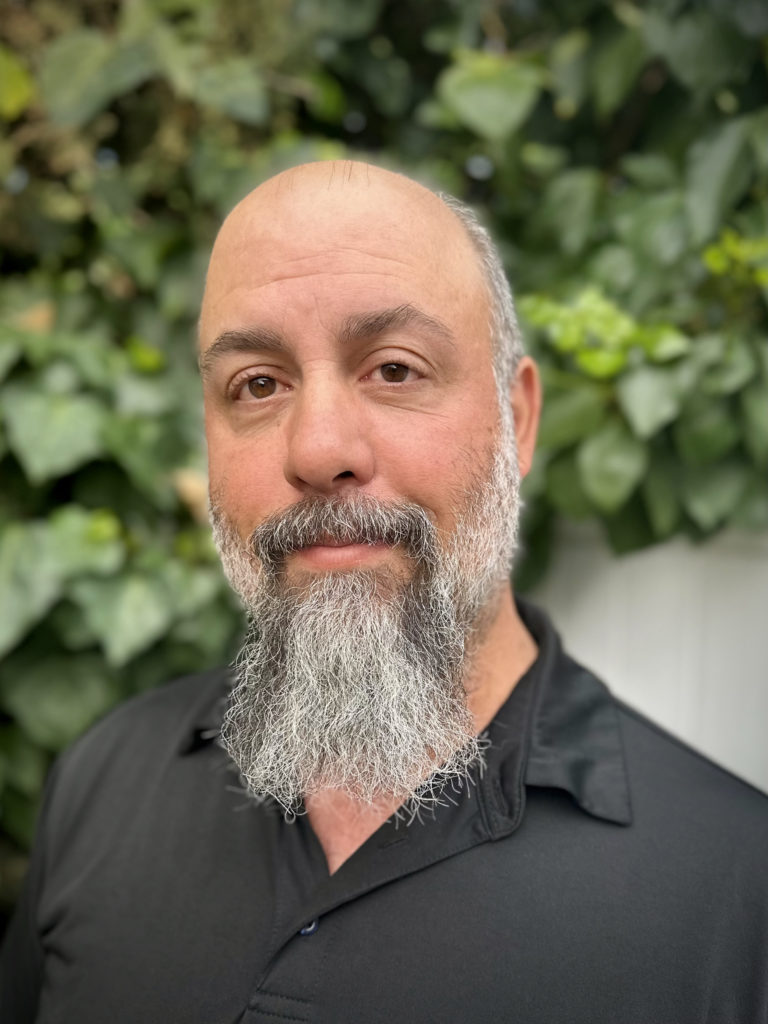
Andrew Robertson, AMFT# 158068 (under the supervision of Melissa Volchok, LMFT #120203), specializes in the integrated application of Existential Therapy and Mindfulness Therapy, helping individuals and couples find meaning, manage anxiety, and navigate complex life transitions. He provides supportive therapy in Woodland Hills and via telehealth throughout California.
Ready to integrate depth with grounding? Schedule your free 15-minute consultation today.