

The Pressure to be “Fine”
If you’re a man in today’s world, you’ve been given an unspoken playbook: Be strong. Be successful. Be the provider. And, above all, be ok.
The problem is, suppressing stress, anxiety, relationship dissatisfaction, and grief doesn’t make anything go away; it just turns it into an ever-growing invisible weight. Eventually, that weight manifests as burnout, explosive anger, intimacy problems, or chronic dissatisfaction.
Many men wait years, often decades, to start therapy. They may believe that seeking help is a sign of weakness or that their problems are too small to warrant professional help.
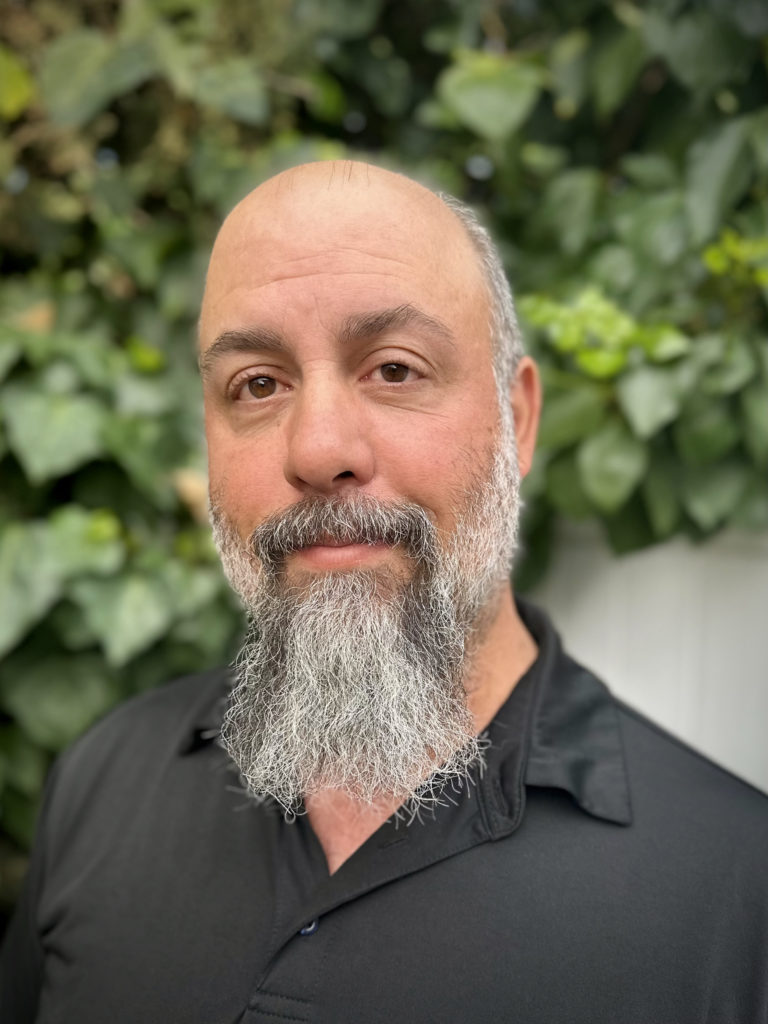
At Andrew Robertson Therapy, I provide a space where men can safely and effectively unpack these struggles. My goal is not to fix you, but to help you rewrite that old playbook so you can build stronger relationships and a more authentic life.
Here are the three primary barriers preventing men from seeking support, and the key benefits of starting therapy now.
Barrier 1: The Curse of Emotional Literacy
The traditional male role often prioritizes action over emotion. If you can’t name a feeling, you can’t manage it.
- The Problem: Many men default to feeling “stressed,” “annoyed,” or “fine” because they were never taught the vocabulary for complex emotions like disappointment, vulnerability, or relational anxiety. This lack of emotional literacy makes it impossible to communicate deeply with partners or even understand your own needs.
- The Therapy Solution: Therapy is like a personal training session for your emotional life. We focus on developing emotional fluency, which is not about becoming “soft,” but about gaining precision. Precision allows you to communicate needs clearly, shorten arguments, and deepen intimacy; all highly functional outcomes.
Barrier 2: The Myth of the Lone Fixer
Men are often conditioned to believe that problems should be solved logically and independently. Asking for help feels like admitting failure.
- The Problem: When faced with chronic stress, career transitions, or divorce, the “lone fixer” approach often leads to isolating behaviors (e.g., withdrawing from friends, leaning too heavily on work, or using self-medication). Isolation is the opposite of resilience.
- The Therapy Solution: Therapy provides a structured, confidential relationship where you can let go of performance. It’s not about being fixed; it’s about having a trained, objective professional help you generate new perspectives and map out functional solutions. It is a strategic tool, not a last resort.
Barrier 3: Confusing Vulnerability with Weakness
The most significant barrier is the fear that showing vulnerability will lead to disrespect or rejection, particularly from partners.
- The Problem: Men often express pain through anger, frustration, or silence. While these feel safer than sadness or fear, they are highly damaging to close relationships. True weakness isn’t feeling vulnerable; it’s being unable to articulate it.
- The Therapy Solution: We redefine vulnerability as courage and functional strength. We work on learning how to share, not just what to share. When you can express what you need without defensiveness, you empower your partner to meet you there, leading to a massive increase in trust and intimacy.
The Payoff: What You Gain By Starting Therapy Now
Therapy is not just about dealing with crises. For men, it’s about optimizing performance across their lives, relationships, and careers.
- Greater Focus and Clarity: By addressing underlying anxiety and stress, you free up cognitive resources currently consumed by worry.
- Stronger Intimacy: You learn to express needs without demanding or withdrawing, making your relationships more satisfying.
- Authentic Self: You develop a sense of self defined by integrity and inner strength, not by external performance.
Taking the step to schedule a consultation is the ultimate act of self-responsibility and strength.
Andrew Robertson, AMFT# 158068 (under the supervision of Melissa Volchok, LMFT #120203), specializes in Men’s Issues, Relationship Therapy, and ADHD support. He provides a trauma-informed, affirming space for men seeking to build more connected and authentic lives in Woodland Hills and throughout California.